
Walkin' Away
Notes on America

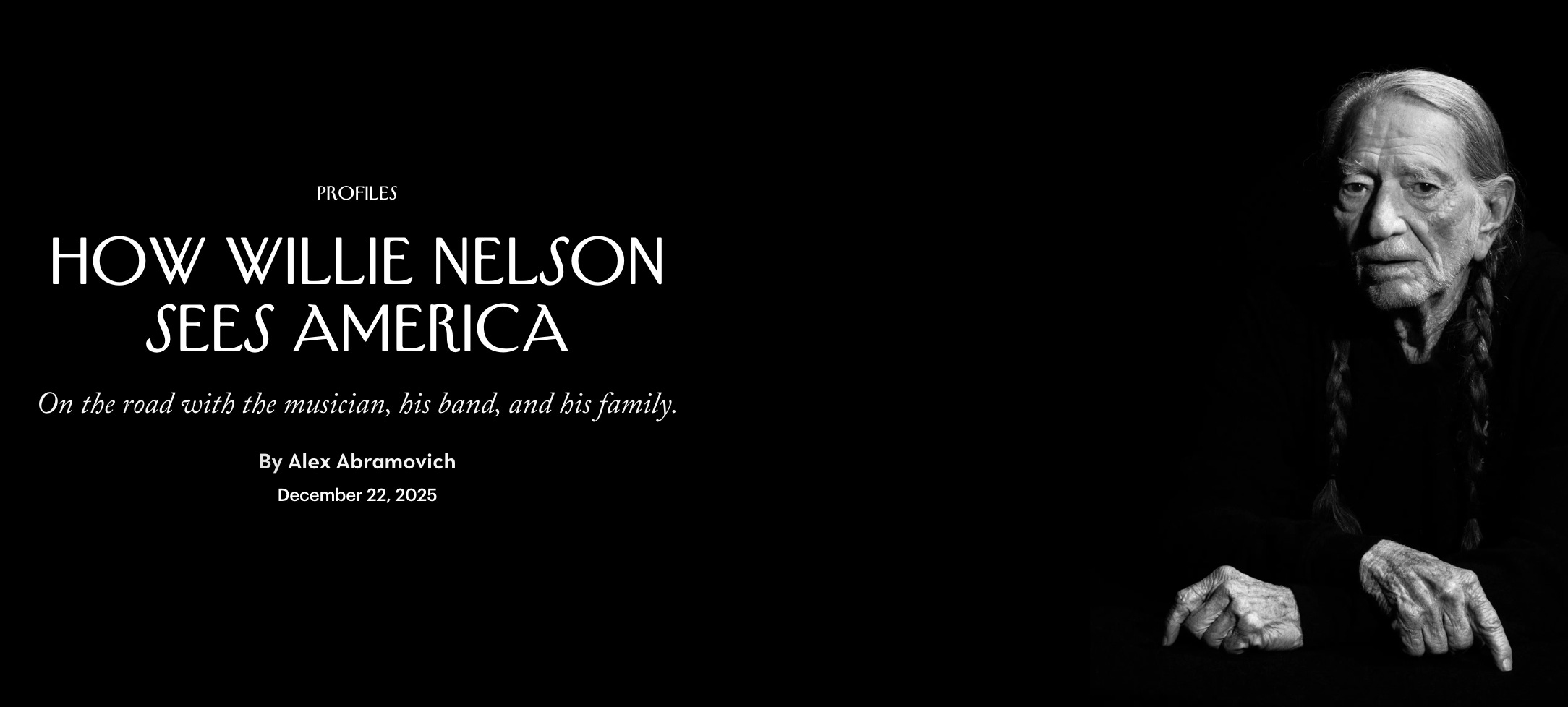
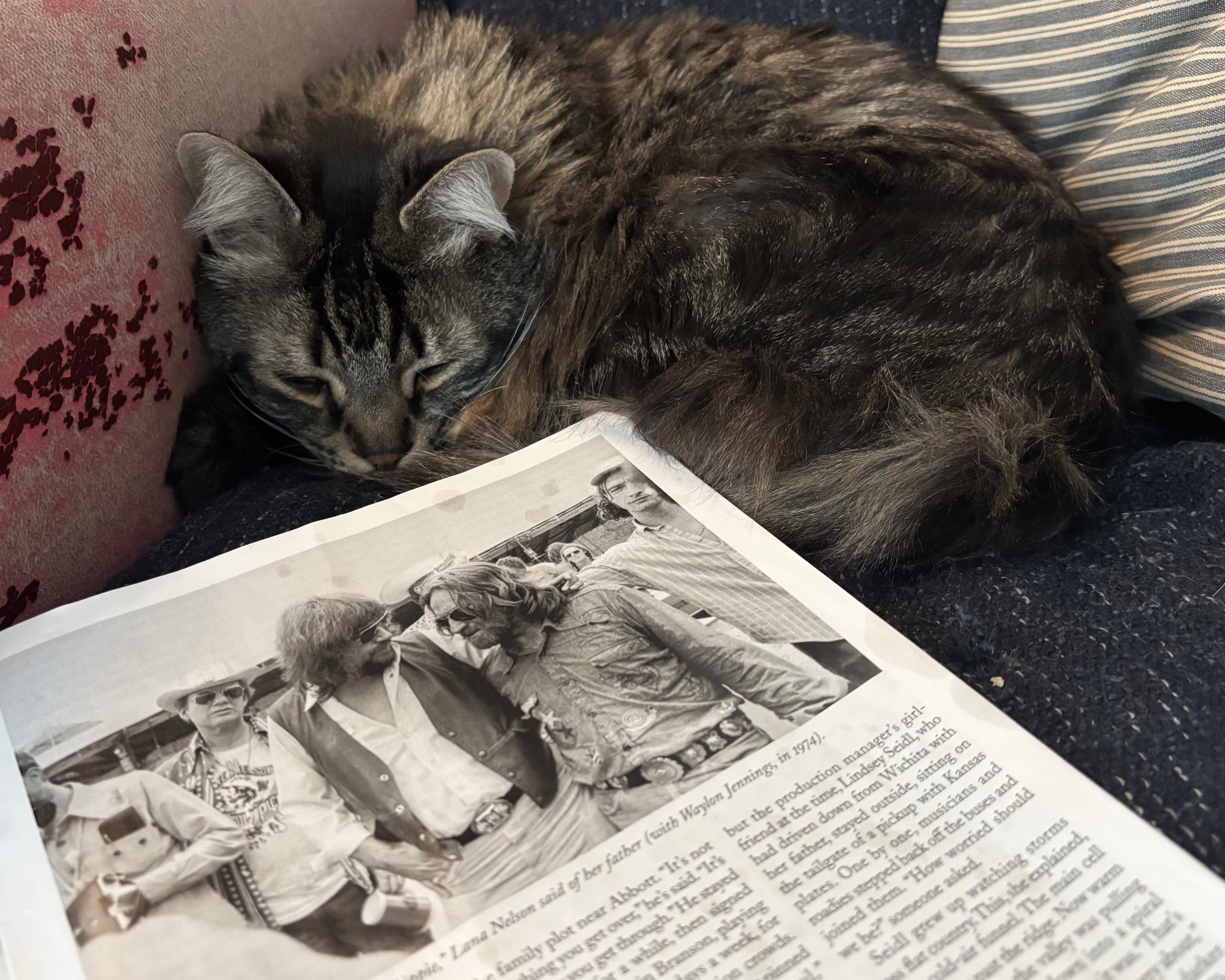
Recently, Alex Abramovich’s recent profile of Willie Nelson in The New Yorker sent me on a nostalgic deep-dive into the heart of Willie’s music, and the remarkable series of albums he released between 1973-75 including Shotgun Willie, Phases and Stages, and Red Headed Stranger. Familiar shapes and sounds emerged from the gloomy mists of memory, like old friends at the end of a long winter walk, before you settle into a pub for a few pints and a proper catch-up. With the wood burner glowing beside me, and snow piling up outside from yet another winter storm, song after song returned to me in warm and tender reminiscence.
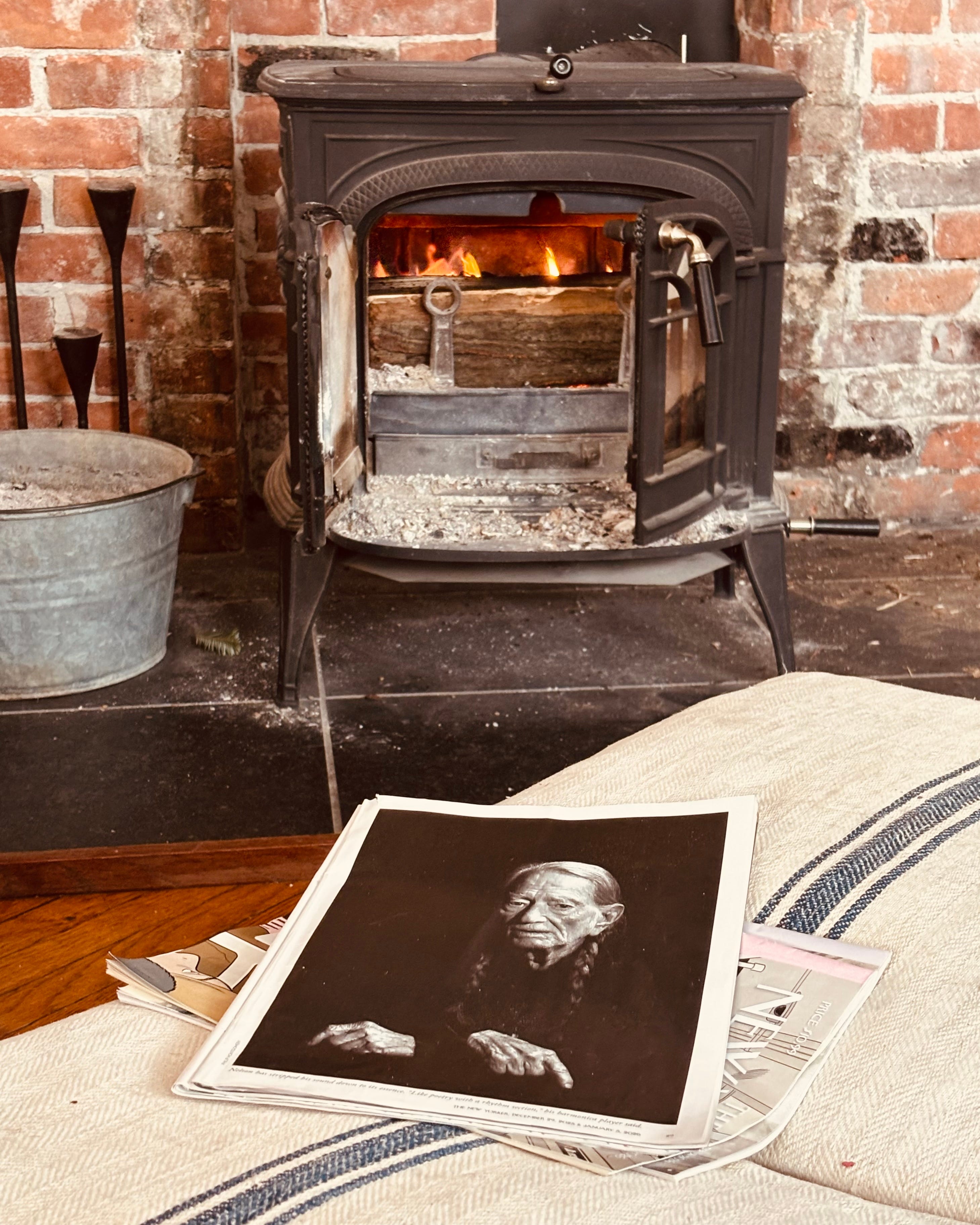
We can find novelty in even the most familiar things when they are cast in the light of second glance, and so it was for one of Willie’s most mournful tunes from Phases and Stages.
“After carefully considerin’ the whole situation, I stand with my back to the wall
walkin’ is better than runnin’ away, and crawlin’ ain’t no good at all”
Like a few fingers of neat whiskey, Willie’s decades-old wisdom left me somehow both fuzzyheaded and more clear-eyed than ever. It was all there, distilled in those spare lines, all that needed to be said. The sad acceptance of a marriage that’s been too far gone for far too long. It’s not you, America, it’s me, and it’s time we went our separate ways.
“And if guilty’s the question, truth is the answer. I’ve been lyin’ to me all alone
there ain’t nothin’ worth savin’ except one another,
and before you wake up, I’ll be gone”- Willie Nelson Walkin’ 1973
As I have found at the end of other long relationships, there is still so much about America of which I am desperately fond. The New Yorker is certainly one of those things, a bright if lonely light in the darkness of contemporary American journalism (and perhaps it was his subject, but Abramovich’s piece struck me as one of the most captivating pieces they have published in a while). Nelson himself, naturally, is another.
Willie’s music and poetry are quintessentially American, and his life story reads like a history of the last century of American life. I am far from alone in holding him so dearly in my heart, and recognizing his iconic position in American culture. “Willie means more to me than the Liberty Bell”, Wilco’s Jeff Tweedy told Abramovich without a hint of hyperbole. Bob Dylan’s response to the question of what Willie Nelson means to him can only be quoted in full:
How can you make sense of him? How would you define the indefinable or the unfathomable? What is there to say? Ancient Viking Soul? Master Builder of the Impossible? Patron poet of people who never quite fit in and don’t much care to? Moonshine Philosopher? Tumbleweed singer with a PhD? Red Bandana troubadour, braids like twin ropes lassoing eternity? What do you say about a guy who plays an old, battered guitar that he treats like it’s the last loyal dog in the universe? Cowboy apparition, writes songs with holes that you can crawl through to escape from something. Voice like a warm porchlight left on for wanderers who kissed goodbye too soon or stayed too long. I guess you can say all that. But it really doesn’t tell you a lot or explain anything about Willie. Personally speaking I’ve always known him to be kind, generous, tolerant and understanding of human feebleness, a benefactor, a father and a friend. He’s like the invisible air. He’s high and low. He’s in harmony with nature. And that’s what makes him Willie.
Leave it to Dylan to define so richly what he acknowledges as indefinable, only to return to a truth as simple as any stated so eloquently by Nelson himself; Willie is just Willie and we all, effortlessly, know what that means.
While wallowing in all things Willie, I found this charming episode, from the podcast series One by Willie hosted by Texas Monthly senior editor and Nelson-ologist John Spong. In a little over half an hour, singer songwriter Bruce Robison and Spong discuss Robison’s childhood in Bandera, Texas, his memories of when Willie and his band briefly moved to his hometown, and organizing a tribute show for Willie’s 90th (or was it 89th?) birthday. Later released as a live album (reviewed here ) One Night In Texas, features covers by the likes of Margo Price, Nathaniel Rateliff, Sheryl Crow, Steve Earle, and Phosphorescent amongst others, and it’s well worth checking out, too.
Willie is still with us, of course, and long may he continue to be. But I can’t help feeling he has already, somehow, transcended mere physical existence. He’s the good nature we show our neighbors, the kindness we offer strangers. He’s perseverance personified, and humility earned from hard times overcome; he’s the myth of America made man.
This is the first in what I hope to be a series of personal reflections on the US, and my life here over the past 25 years.